Why Your Organization Needs a Language of Leadership Keynote This Year
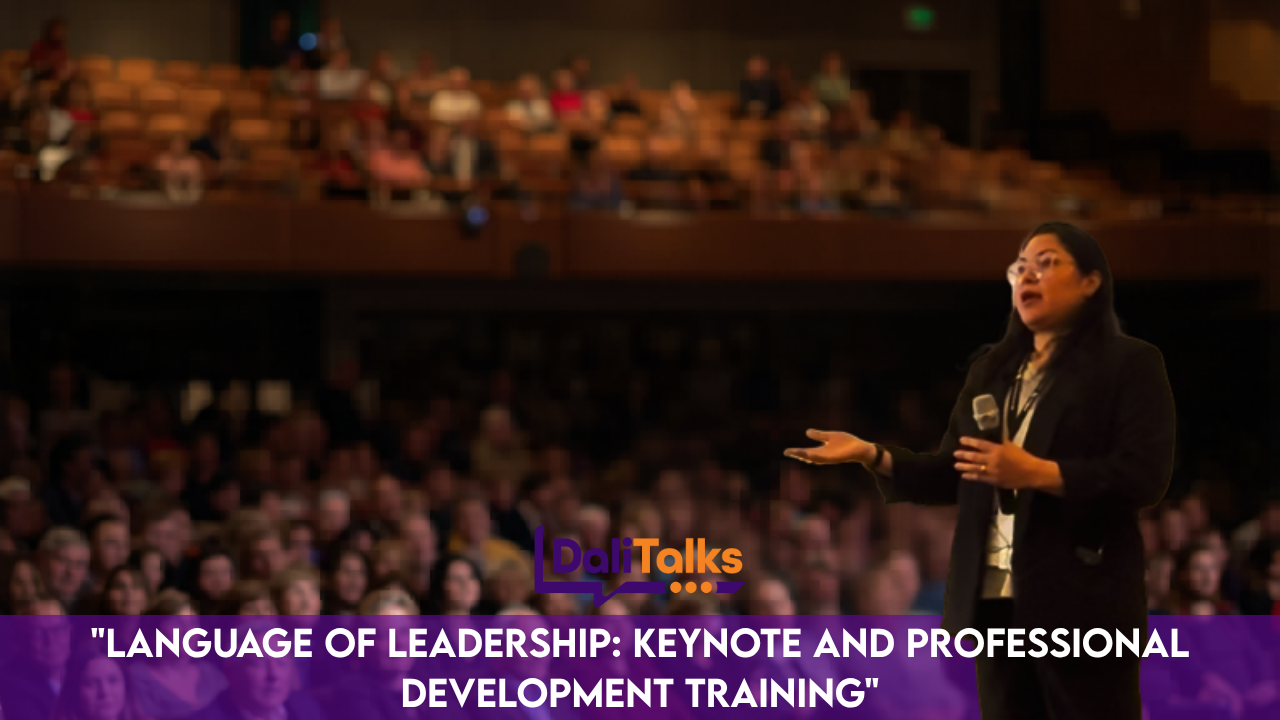
The most expensive problem in your organization is not a budget issue, a staffing issue, or a strategy issue. It is a language issue. And most leaders never see it coming.
Words build teams or break them. They open doors or quietly close them. They make people feel seen, valued, and safe enough to do their best work, or they send the message that some voices matter more than others.
"The difference between a thriving organizational culture and a fractured one often lives in the everyday language leaders and teams use without ever stopping to think about it."
That is exactly what the Language of Leadership keynote is designed to change.
What Is the Language of Leadership?
The Language of Leadership is a keynote experience designed for organizations, schools, and community groups that are ready to move beyond surface-level diversity and inclusion conversations and get into the practical work of communication.
This is not a lecture about what not to say. It is an honest, engagi...
He Grew Up in Abuse. Now He Feeds the World.
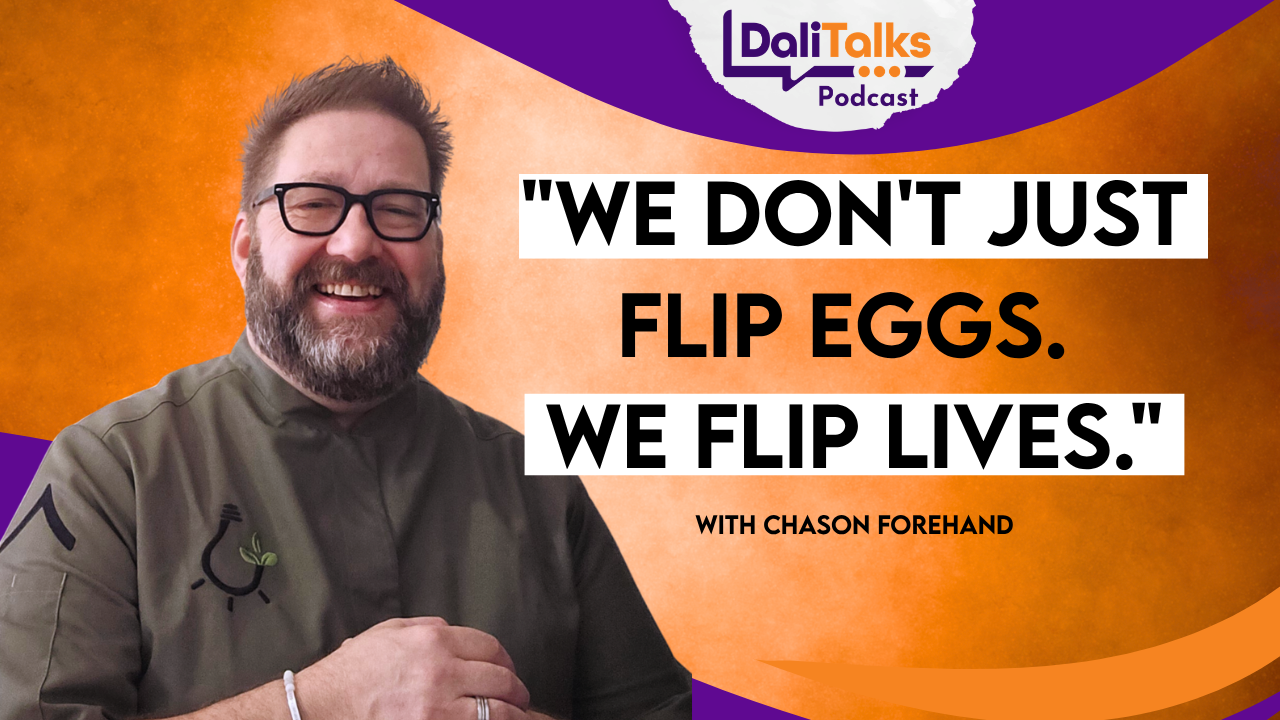
Some people survive a hard childhood and spend the rest of their life quietly grateful. Chason Forehand survived his and decided that was not enough.
Chason is the founder of HR-4U, Inc., a 501(c)(3) nonprofit based in New York's Hudson Valley. Through a program called Transformation Kitchen, he takes people who have been pushed to the margins and gives them culinary training, community, and a reason to believe their life is not over. The 12-week program does not just teach people how to cook. It wraps around them. Wellness checks. Family atmosphere. Support that does not disappear when the program ends.
What Chason built is impressive. What makes it worth talking about here, on a show rooted in conscious parenting and bullying prevention, is the story behind it.
Hurt People Hurt People. Healed People Change the World.
We talk about bullying as if it starts and ends on a school playground. It does not. Bullying is a cycle, and like most cycles, it traces back to pain that was never...
Kind vs. Nice: Why the Words We Choose Change Everything for Kids, Adults, and Leaders
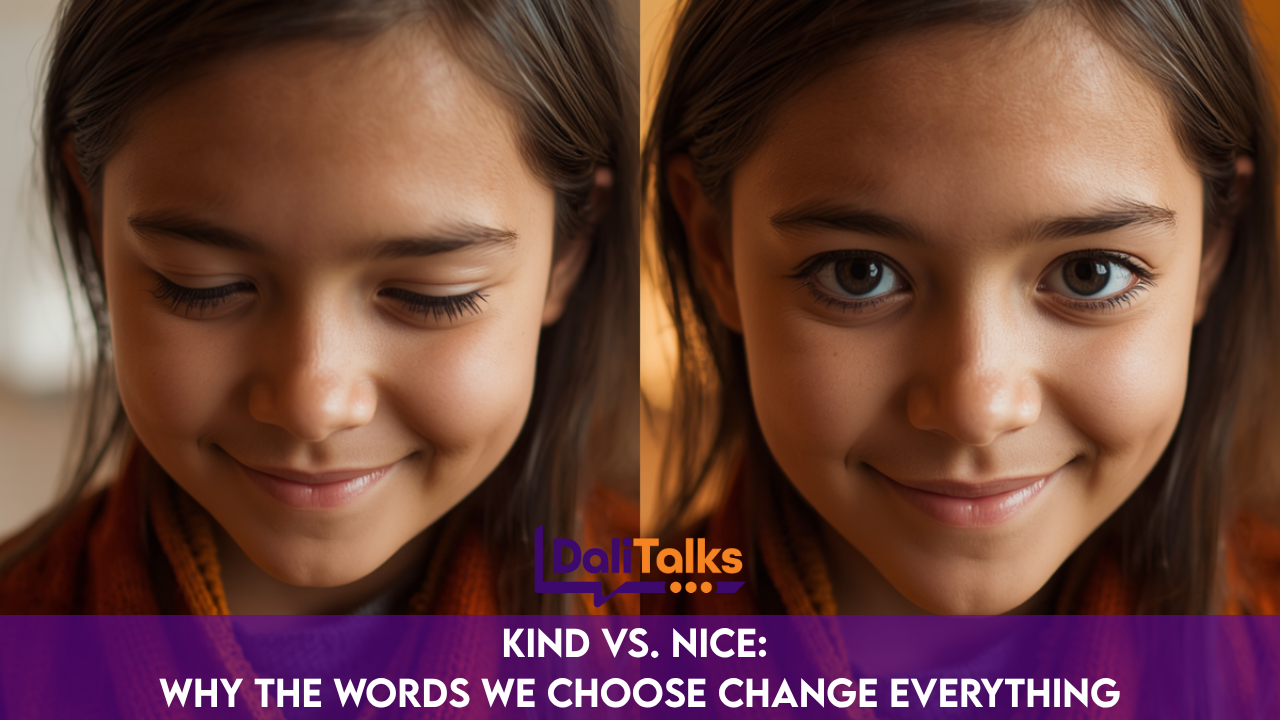
One word can silence a child. Another can save them. And most of us have been using the wrong one our entire lives.
We teach kids to be nice. We reward them for being agreeable, quiet, and accommodating. We tell them nice is good. Nice is safe. Nice is what good people are. But what if nice is actually the problem?
There is a powerful and often overlooked difference between being kind and being nice, and once you see it, you cannot unsee it. This distinction matters for children navigating friendships. It matters for parents trying to raise confident kids. It matters for educators managing classroom dynamics. And it matters deeply for leaders who want to build cultures where people feel safe enough to tell the truth.
Nice Keeps You Quiet. Kindness Gives You a Voice.
Niceness is rooted in approval. A nice person says yes because they are afraid of what happens if they say no. They smile through discomfort. They shrink to keep the peace. They prioritize how others feel about them ove...
When Women Stop Shrinking and Start Speaking Up
There is a version of bullying that does not happen on a playground. It happens in meeting rooms, on performance reviews, and in the quiet moment after you raise your hand and watch the room decide how to receive you.
For millions of women in the workforce, especially Black women and women of color, this experience is not an exception. It is a pattern. And it carries real consequences, not just professionally, but in the relationship a woman has with her own voice.
This week on the DaliTalks Podcast, I sat down with London Reid, transformational coach and founder of Her Law of Growth, and she described something that stopped me in my tracks. She was sitting in her director's office. She was four months pregnant. She had just returned from losing her father. She was in tears. And she was being told that agreeing to cooperate with her supervisor was somehow combative.
That moment is not unusual. That is the problem.
What Workplace Bullying Actually Looks Like for Women
Most anti-bul...
What Every Parent Needs to Know About Their School's Bullying Prevention Policy
Your child's school has a bullying prevention policy, but if you have never read it, you are not alone, and that gap could be costing your child the protection they deserve.
Most parents show up to the school office ready to fight for their child without knowing the one tool that gives their words real power: the policy. When you know what is in that document, you stop being a worried parent in a waiting room and you become an informed advocate at the table. And there is a big difference between the two.
Here are five things every parent needs to know about their school's bullying prevention policy, and why knowing them changes everything.
-
How Your School Defines Bullying
Not every conflict between kids is bullying. Schools use a specific definition, and that definition matters more than you think.
Bullying typically involves three elements: repeated behavior, a power imbalance, and intentional harm. If what your child is experiencing meets that definition, it triggers a ...
Why I Founded DaliTalks: Empowering Parents to Protect Their Children from Bullying
There was a moment that changed everything for me.
I was working with parents and I kept noticing the same painful gap. These were loving, determined parents who wanted to protect their children. They were showing up, asking questions, and doing everything they thought they were supposed to do. But when it came to using their school's own bullying prevention policy as a tool for advocacy, they had no idea it was even an option.
That gap between what parents deserved to know and what they actually knew lit a fire in me. And DaliTalks LLC was born.
Parents Are Showing Up. The System Is Letting Them Down.
Too many parents feel unheard when they try to advocate for their child. They lie awake at night wondering whether their child will be safe if a bully targets them. They don't need a research study to tell them that bullying leaves lasting marks on mental health. They've lived it. They've watched their children carry wounds that didn't fade.
The frustration isn't a lack of love or e...
The One Skill Nobody Taught Us That Changes Everything
The One Skill Nobody Taught Us (That Changes Everything)
Most of us grew up learning how to speak. How to argue. How to present. How to debate.
Nobody taught us how to listen.
And that gap, quiet as it is, costs us more than we realize. In our relationships. In our parenting. In our workplaces. In the moments that matter most.
I sat down recently with Deb Porter, founder of Hold Hearing Out Life Drama and a professional listener, and what she shared stayed with me long after we stopped recording.
Listening Is a Profession. And There's a Reason for That.
Deb did not set out to become a professional listener. She studied divinity, worked at a funeral home, and one ordinary afternoon while folding towels, a thought landed: what if it's just about listening?
She built an entire business from that moment.
Not therapy. Not coaching. Listening.
The distinction matters. There is a massive group of people, and you probably know some of them, who are not in crisis. They are not looking ...
Women Changed the World. It Is Time We Started Acting Like It.
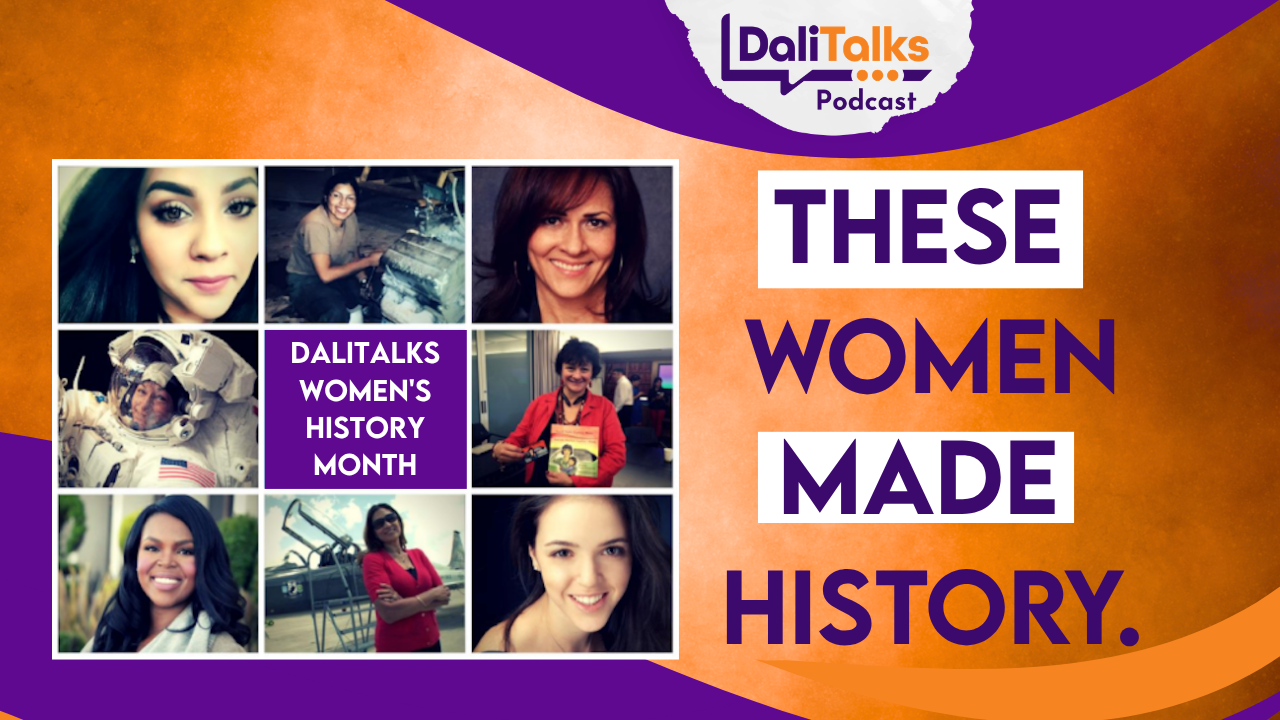
Okay, friend. Pull up a chair. I need to talk to you about something.
Every March, we celebrate Women's History Month. We post the quotes, share the throwback photos, maybe catch a documentary or two. And then April rolls around and we move on.
But here is what keeps me up at night: the women who changed this world never stopped being relevant just because the calendar flipped. Their stories are not a once-a-year moment. They are a daily reminder of what is possible when we stop deciding in advance who gets to dream big.
And right now? We still have a lot of deciding to undo.
These Women Existed. The World Just Did Not Amplify Them.
When I was writing my 2017 book "Embracing Differences: 21st Century Women Debunking Stereotypes," I kept running into the same gut punch over and over again. Women who had done absolutely extraordinary things, quietly, without the fanfare that their male counterparts received for doing far less.
Olga Custodio became the first Latina to complete U.S. ...
She Almost Lost Her Marriage. Then Built a Movement That Helps Families Reconnect.
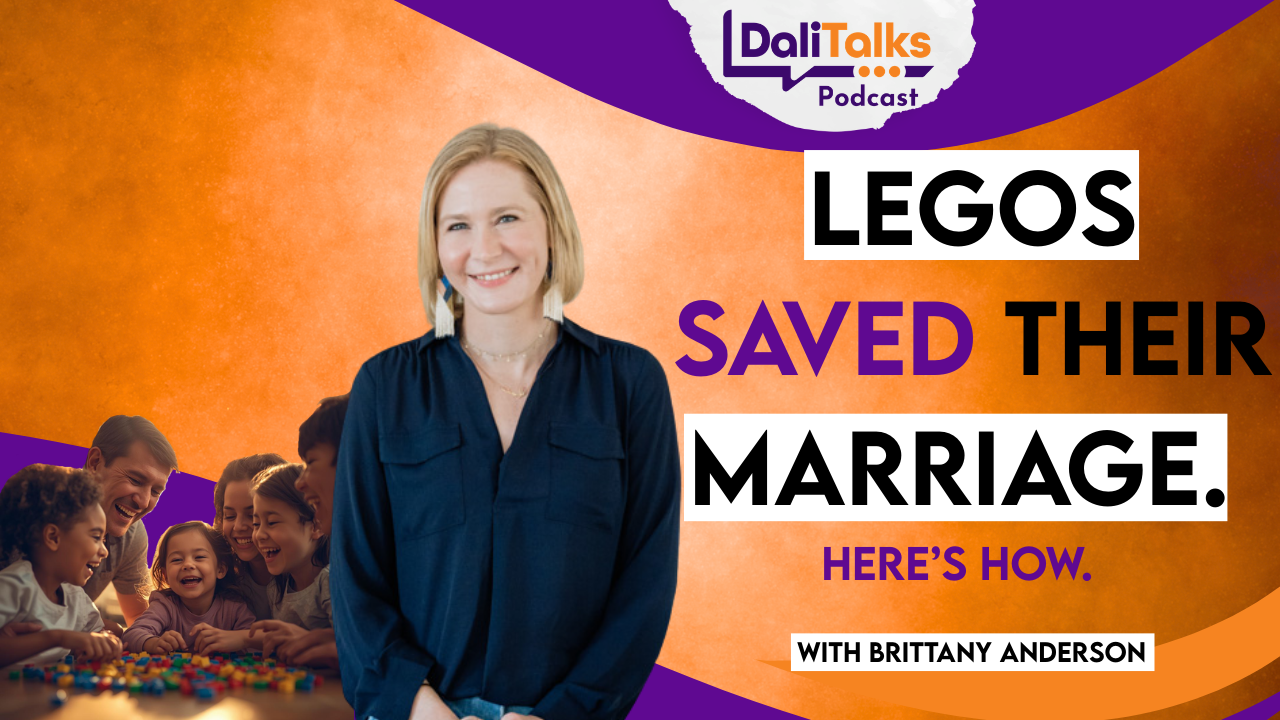
Her husband was flying Air Force One. She was drowning.
From the outside, Brittany Anderson's life looked like something worth celebrating. Accomplished husband. Growing career. Kids. A life most people would envy.
But behind closed doors, she and her husband were barely speaking. They were going through the motions as parents and living as strangers as partners. In 2019, they were weeks away from ending their marriage.
What saved them was not what anyone expected. It was not a weekend retreat or a heart-to-heart on the couch. It was play. Specifically, building things with their hands, disrupting the stories they had been telling themselves, and choosing to build a shared vision for their family instead of walking away from it.
That decision did not just save their marriage. It became a movement.
Today Brittany is the founder of Renala Families and the author of Living Room Leadership. She joined Dali on the DaliTalks Podcast for one of the most honest and hopeful conversations t...
When Bad Bunny Made Us Feel Seen: A Love Letter to Latino Identity
Bad Bunny's halftime performance wasn't just entertainment - it was a profound celebration of Latino identity that left many of us in tears. For those who may have missed the deeper meanings woven throughout, let me share why this performance meant so much to our community and what each beautiful symbol represented.
A Personal Journey of Belonging
To hear the names of countries like Nicaragua and the United States celebrated together on such a massive stage was breathtaking and unforgettable. As someone who immigrated to the U.S. at age seven, I've always carried this bittersweet feeling of belonging and yet not fully belonging to either of my countries. This performance reminded me that perhaps messages like these can unite us all across the American continent - not just within U.S. borders.
Growing up, I was bullied for what some called my "indigenous features." The painful irony? It wasn't non-Latinos who shamed me - it was other Latinos who called me "India" as though it were an...
