
Friendship Beyond Labels: Helping Kids Choose Real Friends
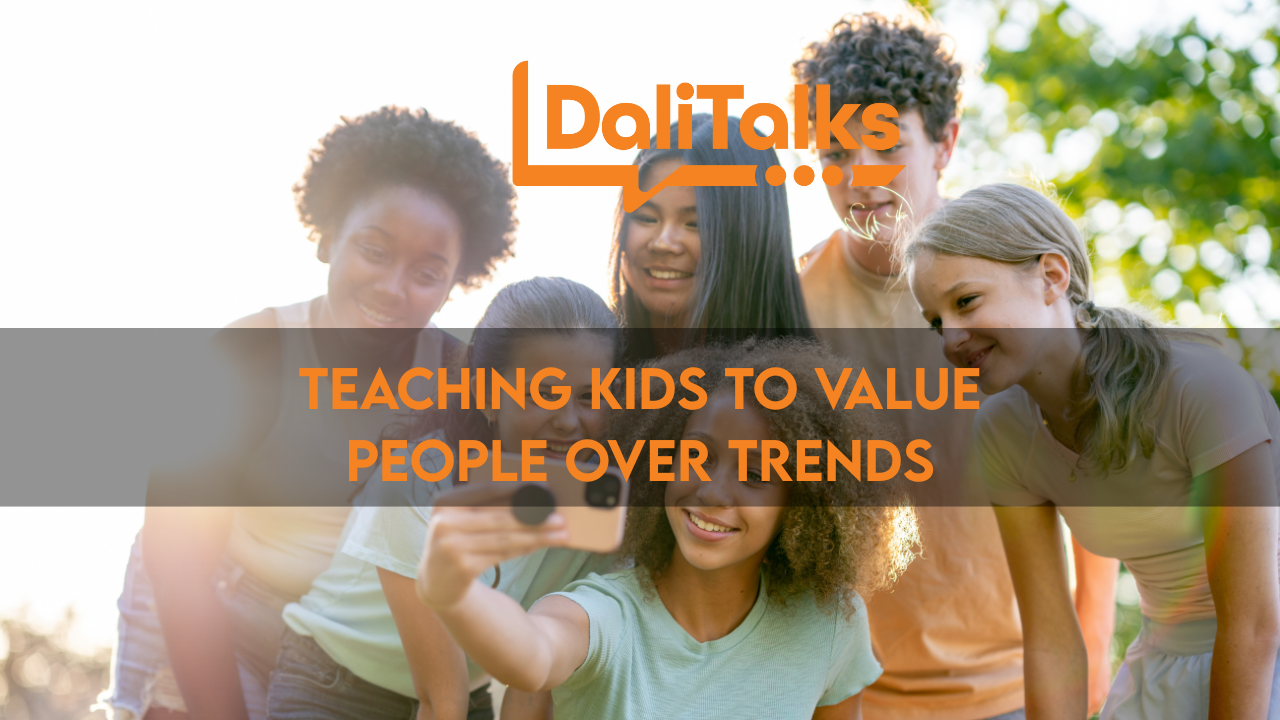
School environments are full of trends. One week it is a must-have sneaker. The next week it is a new brand, hairstyle, or social status marker. While trends change constantly, the pressure to fit in can deeply affect how children choose their friends.
Many kids feel they must look a certain way or own certain things to be accepted. This pressure can lead to shallow friendships, exclusion, and social bullying. Helping kids understand the difference between real friendships and trend-based connections is essential for raising confident, bully-proof kids.
Why Character Matters More Than Labels
In a world shaped by marketing and social media, children often receive the message that appearance and possessions define value. Over time, this belief can affect self-esteem and peer relationships.
True friendships are not built on brands, popularity, or status. They are built on trust, kindness, and shared experiences. When children learn to value character over appearance, they are more likely to form healthy, supportive relationships.
Friendships rooted in character help children feel safe being themselves. They also reduce the risk of exclusion, comparison, and bullying behaviors.
Qualities of Healthy, Lasting Friendships
Helping kids recognize what really matters in a friendship gives them lifelong social skills.
Kindness Over Coolness
Kind friends treat others with respect and care. They offer support during difficult moments and do not disappear when trends change. Kindness builds emotional safety and trust.
Shared Interests Over Shared Style
Real friendships grow from shared laughter, hobbies, curiosity, and creativity. Kids who connect through activities they enjoy together are more likely to maintain friendships over time.
Reliability Over Status
A dependable friend shows up consistently. Reliability teaches children that friendship is about commitment, not convenience or popularity.
These qualities strengthen confidence and reduce vulnerability to social bullying.
How Parents and Educators Can Guide Kids
Adults play a powerful role in shaping how children view friendships. These conversations help kids build awareness and confidence.
Share Stories That Highlight Character
Talk about friendships from your own childhood or adulthood that were meaningful because of loyalty, humor, or support. This reinforces that what lasts is how people make us feel, not how they look.
Acknowledge Healthy Friend Choices
When children talk about friends who are kind, encouraging, or respectful, point it out. Naming positive behaviors helps kids recognize what healthy friendships look like.
Encourage Diverse Friendships
Expose children to different environments, interests, and groups. Clubs, sports, and community programs help kids see that friendships can form across differences.
Practice Gratitude Regularly
Ask children what they appreciate about their friends and why. Gratitude shifts focus away from material things and toward meaningful qualities.
Model the Values You Want to See
Children watch how adults talk about friendships. When parents and educators value relationships based on respect and care, kids are more likely to do the same.
Why Friendship Education Is a Bullying Prevention Tool
Friendships based on labels, status, or trends often come with conditions. These dynamics can quickly turn into exclusion, manipulation, or social bullying.
Teaching children to value character builds resilience. It empowers them to choose relationships that support their emotional well-being and helps them walk away from unhealthy social pressure.
This lesson supports social emotional learning, empathy, self-awareness, and confidence building at every age.
