
5 Tips To Nurture Your Child's Mental Well-Being
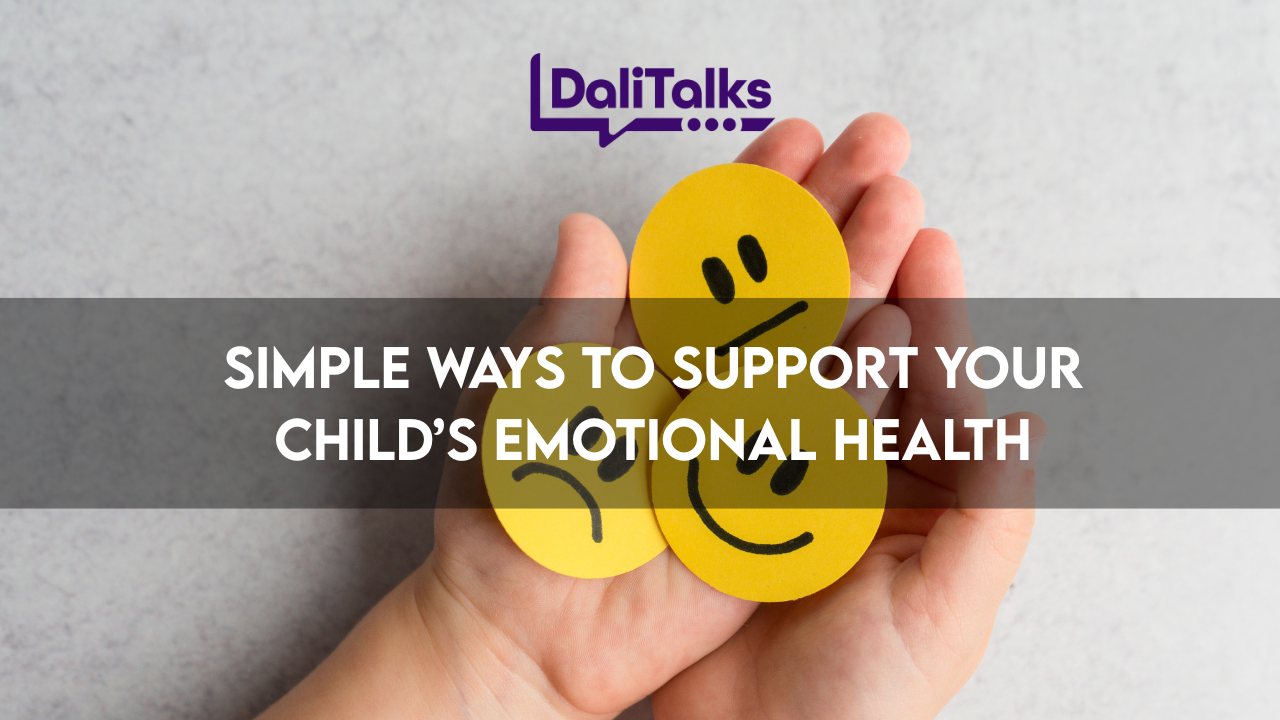
How are you really doing now that the school season is back?
As routines pick up, pressure increases for kids socially, emotionally, and academically. Many parents are noticing something different about this generation of children.
They spend more time indoors.
They are constantly on screens.
They are more withdrawn, anxious, and overwhelmed.
Recently, I asked my teens to spend just one hour outside without devices. I expected a walk, maybe a little boredom-induced creativity.
Instead, they sat by the front door the entire hour.
That moment was funny, but also eye-opening.
The Issue: Kids Are Struggling Quietly
Research shows that even 15 minutes outside in nature can reduce anxiety, depression, and emotional overload. Yet many kids spend most of their time isolated in their bedrooms, absorbing content that overstimulates their nervous systems and limits real connection.
When mental health needs go unnoticed, children may:
- Withdraw socially
- Struggle with confidence
- Experience anxiety or depression
- Become more vulnerable to bullying or may bully others
- Hide emotional pain behind smiles or silence
Here is the hard truth.
Suicide is the second leading cause of death among youth in the United States.
No parent expects it. No family thinks it will happen to them. Yet it does.
This is why mental well-being is not optional. It is essential.
The Solution: Daily Connection and Emotional Safety
Your child’s feelings may not always match their words or behavior. Even young children can hide emotional distress remarkably well.
The goal is not to interrogate your child.
The goal is to create emotional safety.
Below are five simple but powerful ways to nurture your child’s mental well-being while also reducing the risk of bullying, isolation, and emotional harm.
5 Tips to Support Your Child’s Mental Well-Being
1. Build Conversations Around Their Interests
Children open up more when conversations start where they feel confident. Ask about their favorite games, music, shows, or hobbies before moving into deeper topics.
This builds trust and connection.
2. Ask Directly About Their Emotions
It is okay to ask, “How are you feeling emotionally today?”
Avoid assuming you already know the answer.
Direct questions show your child that their inner world matters.
3. Create a Judgment-Free Listening Space
Resist the urge to fix, lecture, or correct immediately. Sometimes kids just need to be heard.
Feeling judged shuts communication down. Feeling safe opens it up.
4. Have Conversations That Focus Fully on Them
Put your phone away. Make eye contact. Be present.
Even a few minutes of focused attention tells your child they are valued and important.
5. Schedule One-on-One Time Regularly
This does not need to be elaborate. A walk, a drive, or a shared activity can make a big difference.
Consistency matters more than duration.
Why This Matters for Bullying Prevention
At the Diversity & Anti-Bullying Academy (#DABA), we teach that bullying prevention starts with emotional awareness, confidence, and connection.
Children who feel supported emotionally are:
- More likely to speak up when something is wrong
- Better equipped to regulate emotions
- Less likely to internalize bullying
- More likely to advocate for themselves and others
Mental well-being and bullying prevention are deeply connected.
Resources to Support Parents, Schools, and Families
DaliTalks LLC and #DABA offer trusted resources to help families navigate mental health, confidence building, and bullying prevention:
- Online courses on bullying awareness, prevention, and emotional regulation
- Live online workshops for parents, educators, and caregivers
- Parent book guide: Confident, Bully-Proof Kids
Available on Amazon: https://www.amazon.com/dp/B0CGKVFW8V - Your Guide to Bullying Prevention 101
Available at https://www.dalitalks.com/store - Parent and guardian coaching services
- One-on-one consultations for parents advocating for their child
- School and workplace consultations to strengthen prevention programs
- Keynote speaking by Dali Rivera, founder of DaliTalks LLC and creator of #DABA
- Personal development programs for businesses serving families and children
If you are worried about your child’s emotional well-being, trust your instincts and take action early.
Explore #DABA resources, download a guide, or schedule a consultation to get support tailored to your family’s needs.
