
Helping Kids Process World Events Without Fear or Anxiety
It’s been a heavy week, hasn’t it?
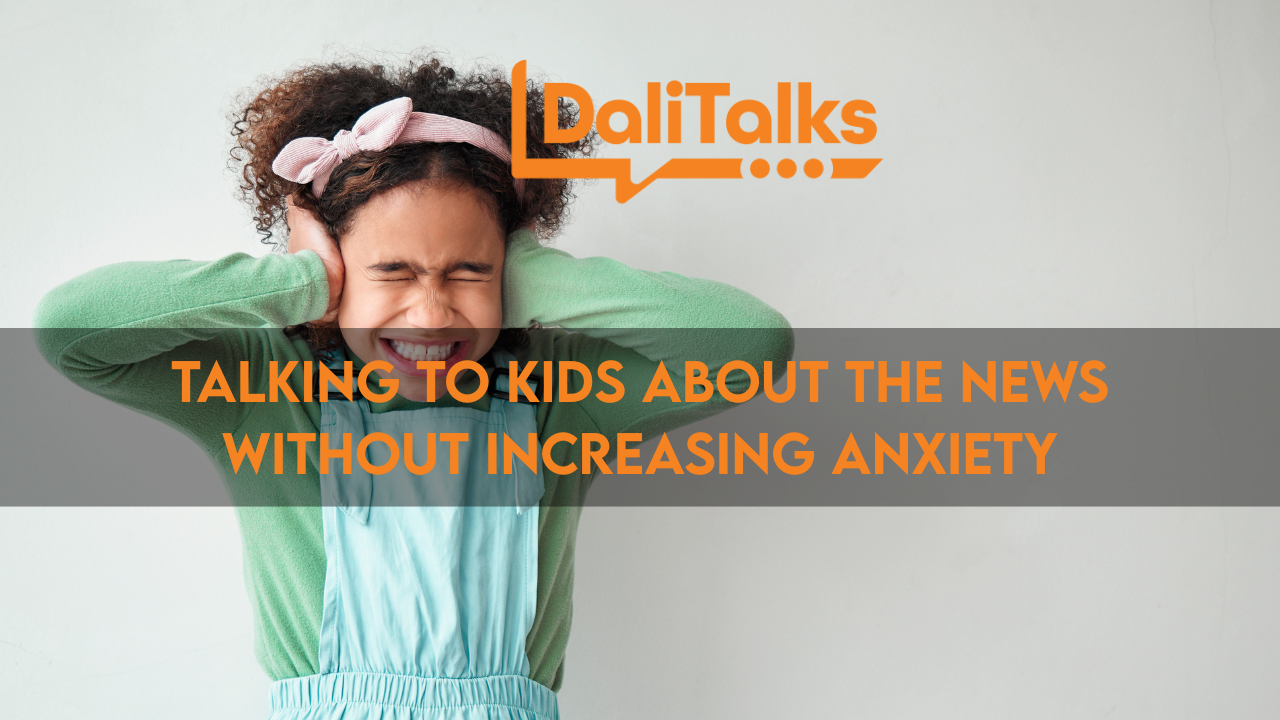
The news can be overwhelming for all of us. Recent events like the tragic shootings in Uvalde, Texas highlight how heavy the headlines can feel. Parents often feel the urge to protect their children by shielding them from the news. While this instinct comes from love, it’s important to remember: children are already aware of what’s happening, often through social media or conversations with peers.
Even when kids seem calm, they may carry fears and confusion. Checking in with them regularly helps ensure they feel safe, heard, and supported.
Why Talking About World Problems Matters
Children are naturally curious about the world. Ignoring difficult topics does not make them safer, it can lead to misinformation, heightened anxiety, and feelings of isolation.
When parents and guardians talk openly, they provide:
- Clarity – helping children separate fact from rumor
- Reassurance – showing that adults are actively thinking about safety
- Empowerment – teaching kids coping skills and emotional regulation
- Connection – demonstrating that they can come to trusted adults with questions
These conversations support confidence, empathy, and resilience, skills essential for raising bully-proof, self-aware children.
How to Approach the Conversation
Talking about tragic or complex world events can feel uncomfortable. Here are practical tips to help:
- Ask What They Know
Start by understanding their perspective. Ask open-ended questions like:
“What have you heard about this?”
“Who told you that?” - Ask About Their Concerns
Encourage them to share what scares or worries them. Listen without judgment. - Share Safety Plans
Explain how you and their school are keeping them safe. Let them know adults are actively monitoring situations. - Involve Schools and Community
Ask principals or local authorities to provide parent briefings on safety procedures. Your questions can create stronger safety plans for everyone. - Model Emotional Awareness
It’s okay to show your own emotions appropriately. Saying, “I’m sad about this, but we are staying safe,” teaches children that feelings are normal and manageable.
Supporting Emotional Resilience
Helping kids process world events goes hand-in-hand with teaching confidence and empathy. Encourage them to:
- Pause before reacting to social media posts or rumors
- Discuss their feelings with trusted adults
- Practice coping strategies like breathing exercises or journaling
- Focus on actions they can take to help others, like kindness, community service, or supporting peers
These steps reduce anxiety, build social emotional skills, and help children navigate complex issues without being overwhelmed.
